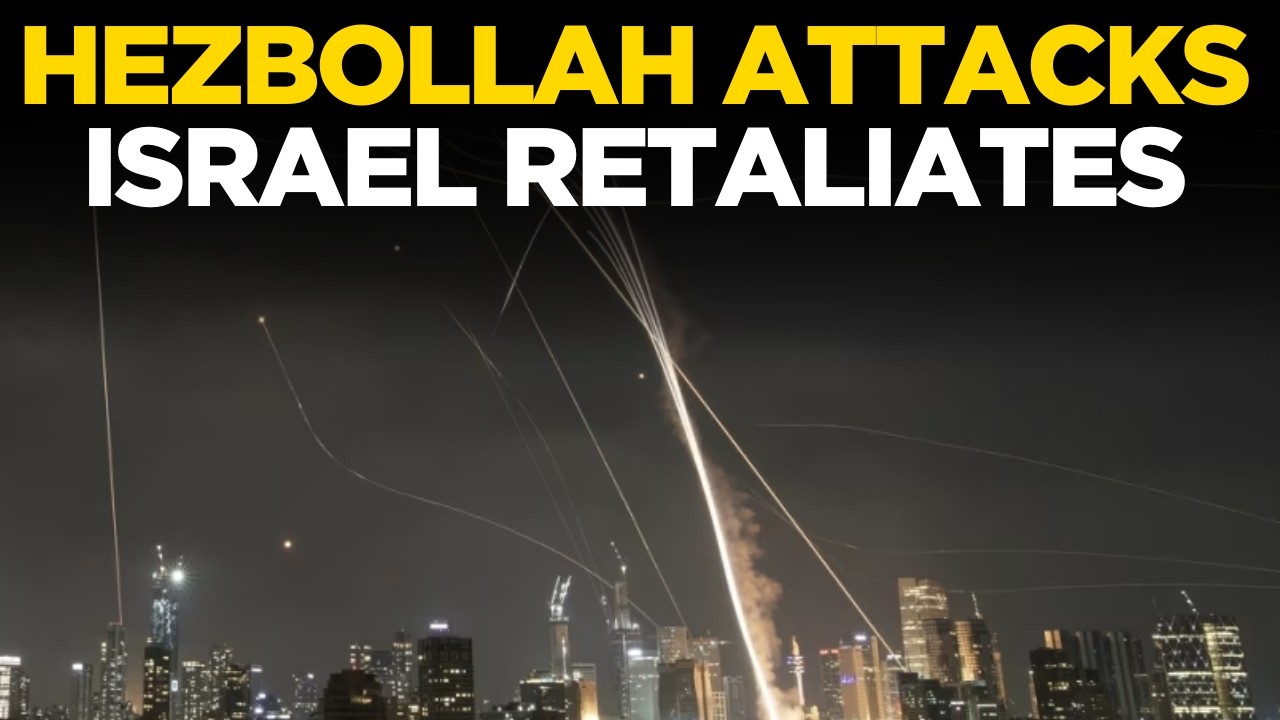
Hamas-Hezbollah Rocket Attacks: The Daily Toll on Israeli Lives
The sound of air raid sirens, a familiar and terrifying prelude, has become an unwelcome daily soundtrack for countless Israelis. From the Gaza border in the south to the Lebanese frontier in the north, rocket attacks by Hamas and Hezbollah are not just isolated incidents; they represent a persistent and profound challenge to everyday life. These relentless assaults target civilians – children, mothers, fathers, and grandparents – indiscriminately, turning homes, schools, and workplaces into potential danger zones. The trauma of events like October 7th, 2023, remains etched into the national consciousness, a stark reminder of the devastating capabilities of these groups. This article delves into the daily realities faced by Israelis under constant threat, exploring the psychological toll, the strategic implications, and the broader regional context of these devastating
midden-oosten raketaanval (Middle East rocket attacks).
The Unseen Scars: The Psychological Toll on Israeli Civilians
Imagine a life where the shrill sound of a siren could mean the difference between life and death. This is the reality for millions of Israelis. For families in communities bordering Gaza and Lebanon, the constant threat of rocket fire infiltrates every aspect of existence. Children grow up learning to run to bomb shelters, not playgrounds, a stark contrast to childhoods in more peaceful regions. This pervasive anxiety casts a long shadow, manifesting in widespread psychological trauma, including post-traumatic stress disorder (PTSD), anxiety, and depression among adults and children alike.
The reference context highlights how these attacks impact "Achild moder vader opa oma elek dag" – children, mothers, fathers, grandparents, every day. This daily exposure to existential threat profoundly shapes mental health. Studies consistently show elevated rates of mental health issues in communities frequently targeted by rockets. The constant vigilance, the interrupted sleep, the fear for loved ones, and the inability to plan for the future without factoring in potential attacks create an enduring state of stress. Even when rockets are intercepted by defense systems like the Iron Dome, the psychological impact of the alarm, the rush to safety, and the knowledge of imminent danger remains significant. It’s a silent, invisible battle fought within the minds of those living under the shadow of persistent aggression.
A Deluge of Rockets: Understanding the Threat from Hamas and Hezbollah
The nature of the threat from Hamas and Hezbollah, while sharing similarities, also carries distinct characteristics. Hamas, primarily operating from the Gaza Strip, has developed and acquired a diverse arsenal of rockets, ranging from short-range, locally produced Qassams to more sophisticated, longer-range rockets capable of reaching major Israeli cities. Their strategy often involves saturating Israeli defenses to overwhelm them and inflict maximum terror and damage.
Hezbollah, based in Lebanon and widely considered one of the most heavily armed non-state actors in the world, possesses a far more extensive and advanced rocket and missile arsenal. Their capabilities include precision-guided munitions and a vast number of rockets that could potentially reach almost any point in Israel. The attacks from both groups are typically indiscriminate, aimed at civilian populations and infrastructure, underscoring their primary goal of instilling fear and disrupting daily life. While Israel has developed highly effective defensive systems like the Iron Dome, no system is 100% foolproof. Each rocket attack carries the potential for tragedy, and the sheer volume of rockets possessed by these groups means the threat is ever-present. This continuous barrage is a stark example of the severe impact of a prolonged
midden-oosten raketaanval campaign.
Beyond the Borders: The Regional Tapestry of Instability
The rocket attacks launched by Hamas and Hezbollah are not isolated incidents but rather integral components of a larger, deeply complex regional dynamic. These groups are often described as proxy forces, receiving significant support, funding, and training from Iran. This patronage places their actions within the broader framework of what is sometimes referred to as the "Axis of Resistance," a network of state and non-state actors aligned against Israel and certain Western interests in the Middle East.
The reference context alludes to this interconnectedness by mentioning the Houthi rocket attacks in Yemen and linking them to broader regional tensions. Just as the Houthi attacks demonstrate how regional conflicts continue to escalate, Hamas and Hezbollah's actions are further splinters of an unstable region where economic pain, political power games, and ideological clashes intersect, often at the cost of human lives. Iran's own domestic struggles, such as the transport sector paralysis mentioned in the source, do not diminish its regional ambitions but rather highlight the complex interplay of internal and external pressures shaping the Middle East.
This intricate web of alliances and antagonisms means that a rocket fired from Gaza or Lebanon reverberates across the entire region, influencing geopolitical strategies and escalating already fraught relationships. Understanding these connections is crucial for comprehending the true scope of the conflict. For deeper insights into these interwoven conflicts, consider exploring
How Houthi and Hamas Rocket Attacks Escalate Mideast Tensions and
Middle East Instability: Iran's Woes & Escalating Regional Conflicts. These articles shed further light on how Iran’s challenges and the actions of groups like the Houthis are intrinsically linked to the broader security landscape, including the relentless threat of a
midden-oosten raketaanval.
The Cost of Conflict: Daily Life Under Fire
The daily toll of Hamas-Hezbollah rocket attacks extends far beyond immediate casualties and property damage. It systematically undermines the very fabric of society, impacting economy, education, and social cohesion. When communities are under fire, schools are forced to close, disrupting children's education and development. Businesses suffer immense losses due to closures, reduced consumer confidence, and damage to infrastructure. This creates a cycle of economic hardship that can be difficult to break, particularly in regions that are already economically vulnerable.
Infrastructure, too, bears the brunt of these attacks. While the Iron Dome intercepts many rockets, some inevitably get through, causing destruction to homes, public buildings, and vital services. The cost of repairing damage, maintaining defense systems, and providing support for affected populations places a significant burden on national resources, diverting funds that could otherwise be used for development and welfare.
Moreover, the constant threat leads to internal displacement, as families are forced to evacuate their homes for safer areas, becoming refugees within their own country. This displacement creates immense logistical and humanitarian challenges, further straining resources and exacerbating the psychological toll. Despite these enormous challenges, Israeli society demonstrates remarkable resilience. Communities pull together, support networks emerge, and people strive to maintain a semblance of normalcy, showcasing an extraordinary will to adapt and endure in the face of persistent adversity. The long-term costs, however, are profound and continue to shape the daily reality of countless individuals.
In conclusion, the daily rocket attacks by Hamas and Hezbollah inflict a heavy and multifaceted toll on Israeli lives. From the visible destruction to the unseen psychological scars, the constant threat profoundly impacts individuals, families, and the nation as a whole. These attacks are not isolated events but are deeply embedded within a larger regional tapestry of instability, fueled by complex geopolitical rivalries and the actions of various proxy groups. The relentless struggle for security in the face of continuous aggression highlights the profound human cost of conflict and the urgent need for sustainable solutions to bring lasting peace to the Middle East.